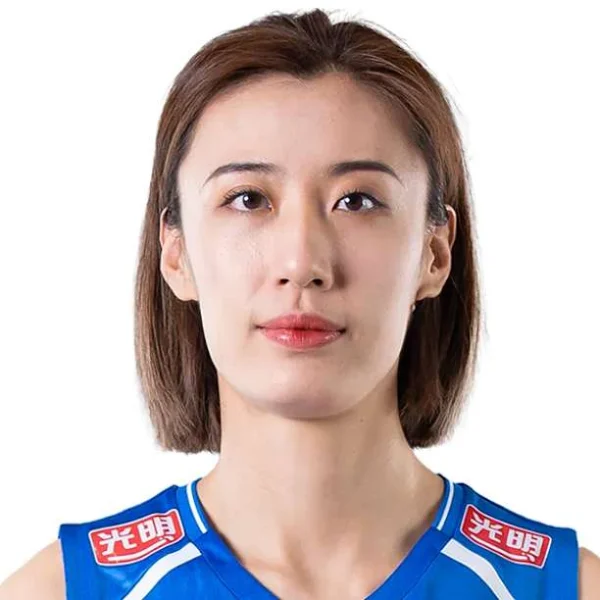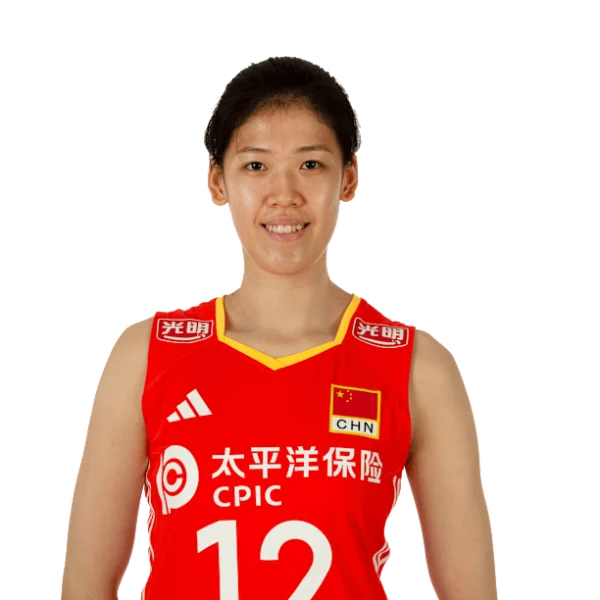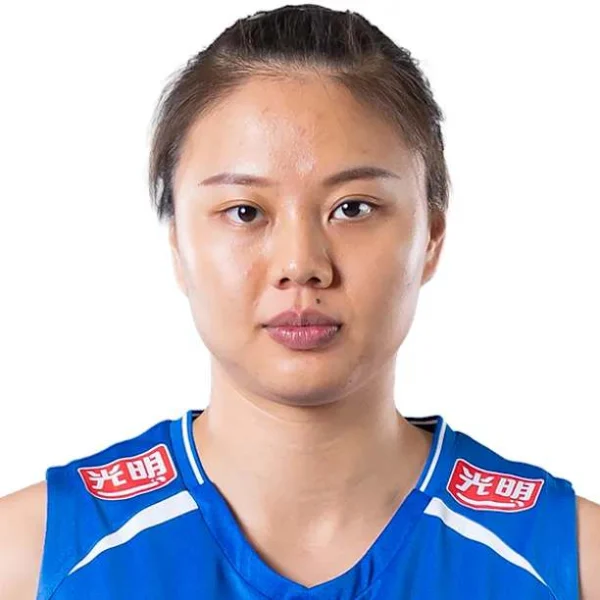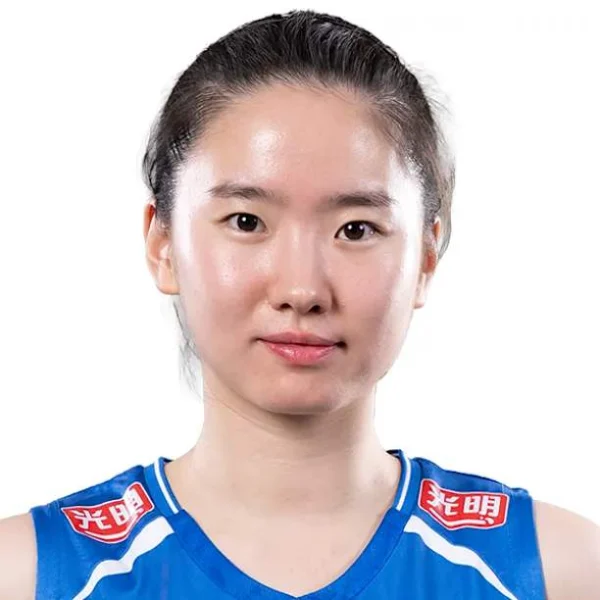
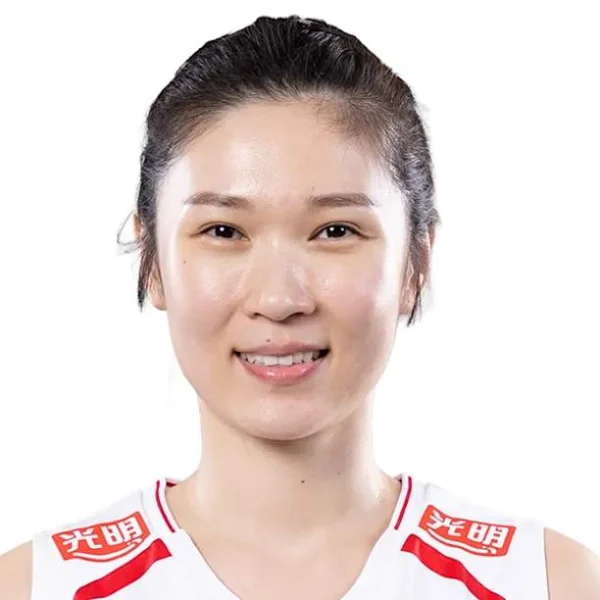
Wang Mengjie (王梦洁; born November 14, 1995) is a Chinese libero from Jinan, Shandong, who plays for Shandong Rizhao Steel and has represented the China women’s national team since 2015. She became China’s established first-choice libero across much of the Tokyo and Paris Olympic cycles, appearing at the Tokyo 2020 and Paris 2024 Games while building a senior career around serve reception, floor defense and backcourt organization.
Her international résumé includes World Cup titles in 2015 and 2019, bronze at the 2018 World Championship, silver at the 2023 Volleyball Nations League and Asian Games gold medals in 2018, 2023 and 2026. She was named Best Libero at the 2019 World Cup and again earned a major individual international honor as Best Libero of the 2026 Asian Championship.
Player Information
| Field | Information |
|---|---|
| Full Name | Wang Mengjie |
| Chinese Name | 王梦洁 |
| Date of Birth | November 14, 1995 |
| Birthplace | Jinan, Shandong, China |
| Nationality | Chinese |
| Position | Libero |
| Height | 172 cm |
| Weight | 67 kg — 2023 China national-team listing |
| Youth Development | Jinan city team; Shandong provincial system |
| Previous Club | Beijing BAIC |
| Current Club | Shandong Rizhao Steel |
| Club Number | No. 10 during the 2025–26 Chinese Super League |
| National Team | China Women’s National Volleyball Team |
| National-Team Number | No. 18 during the 2026 international season |
| Other Role | Volleyball coach at Beijing International Studies University |
| Career Status | Active |
The China Volleyball Association’s 2026 profile lists Wang at 172 cm and identifies her as a libero registered with Shandong. Volleyball World lists her at 173 cm, while an official 2023 China training roster gave her weight as 67 kg.
Her No. 18 national-team jersey has remained familiar across multiple international seasons, including the 2026 VNL. At club level, Shandong’s 2025–26 roster listed her as No. 10.
Early Life & Volleyball Beginnings
Wang was born in Jinan and entered structured volleyball training through the city system. A Jinan account of her career records that she joined the Jinan city team in 2008, beginning the specialist development that eventually took her into the Shandong provincial setup.
She progressed to the Shandong team in 2011. At 172 cm, Wang did not have the height profile of a front-row attacker, but her movement, reading of the ball and comfort in first-contact situations gave her a clear pathway toward libero.
Recognition arrived early. By 2013 she had already appeared with Chinese youth-level teams and was developing a reputation as a defensive specialist, several years before her senior national-team breakthrough.
Her rise coincided with an important period for the libero position in China. Lin Li and other experienced defenders set the senior-team standard, leaving Wang to build her case through domestic reception numbers, youth assignments and increasingly demanding national-team camps.
That process was highly repetitive by design. In a later first-person essay, Wang recalled that libero training in the national-team environment meant hundreds of repetitions of reception, movement and floor defense, with very little of the point-scoring visibility available to attackers.
Club Career
Building Her Career with Shandong
Shandong has been the central club identity of Wang’s career. She developed through the provincial system and established herself as the team’s starting libero while simultaneously moving toward the senior national team.
Her early domestic numbers showed why she was gaining national attention. During the 2016–17 Chinese league season, Wang led the competition in effective receptions, recording 346 while also being recognized at the top of the league’s libero ranking.
The numbers were significant because Wang was still in the early stage of her senior international career. Shandong was not one of the dominant title-winning clubs of that period, so much of her reputation came from individual backcourt performance rather than team trophies.
Her role demanded a large volume of reception and defensive work. That pattern remained constant even as Shandong’s attackers, setters and middles changed around her.
Winning the League with Beijing in 2018–19
Wang’s first major club title came away from Shandong. She joined Beijing BAIC as an internal transfer for the 2018–19 Chinese Super League season, adding an established national-team libero to a squad pushing for its first professional league championship.
Beijing went on to win the title, giving Wang the first league championship of her career. Beijing Daily later described the season as the period when she helped Beijing win its first professional league title.
The move was also important beyond results. Wang worked inside a different defensive system, handled the expectations of a championship contender and played alongside a roster assembled to challenge the strongest clubs in China.
Her 2018 club calendar also included a temporary assignment with Zhejiang for the Club World Championship. Wang was one of several Chinese national-team players added to the host club for the tournament, giving her another short exposure to international club competition.
Return to Shandong and 2020–21 Best Libero
Wang returned to Shandong after the Beijing title season and resumed her long-term role with the provincial club. By then she was no longer simply a promising domestic defender; she was a World Cup champion and established member of the senior national-team system.
Her strongest individual league recognition from that period came in 2020–21. The China Volleyball Association’s historical league awards list Wang as Best Libero of the season.
That honor came after years in which her value to Shandong was tied more to stability than to scoring statistics. A libero does not create a conventional points line, so her contribution was measured through reception quality, defensive range and the ability to keep rallies playable for the setter.
A Second Beijing Season in 2024–25
Wang returned to Beijing for the 2024–25 Chinese Super League, six years after her championship season with the club. The move was confirmed before the season, and she immediately resumed the starting libero role.
The China Volleyball Association’s opening-round report listed Wang in Beijing’s starting lineup against Fujian. She continued as the first-choice libero through the regular season, including wins over Shanghai and Jiangsu.
The second Beijing spell did not reproduce the championship of 2018–19, but it gave Wang a full club season in a different environment immediately after the Paris Olympics. She remained a regular starter rather than treating the Olympic year as the end of her domestic career.
The move also had a personal connection. Wang had first met her future husband, Niu Sijia, during her earlier Beijing period; by the time she returned for 2024–25, the two had married.
Back to Shandong for a Historic 2025–26 Season
Wang returned to Shandong ahead of the 2025 National Games and the 2025–26 Chinese Super League. Her return placed an experienced senior international libero behind a squad that combined long-serving players with a new group of younger attackers and setters.
At the 2025 National Games in Macao, Shandong produced the best senior women’s result in the province’s history. Wang started at libero in the final as Shandong finished with the silver medal behind Jiangsu.
The league season that followed delivered another club milestone. Shandong finished third in the 2025–26 Chinese Super League, with Wang listed among the experienced players around whom the roster was built.
Shandong secured bronze by beating Tianjin in both legs of the third-place series. The result set a new club league record, improving on Shandong’s previous best finish in the home-and-away era.
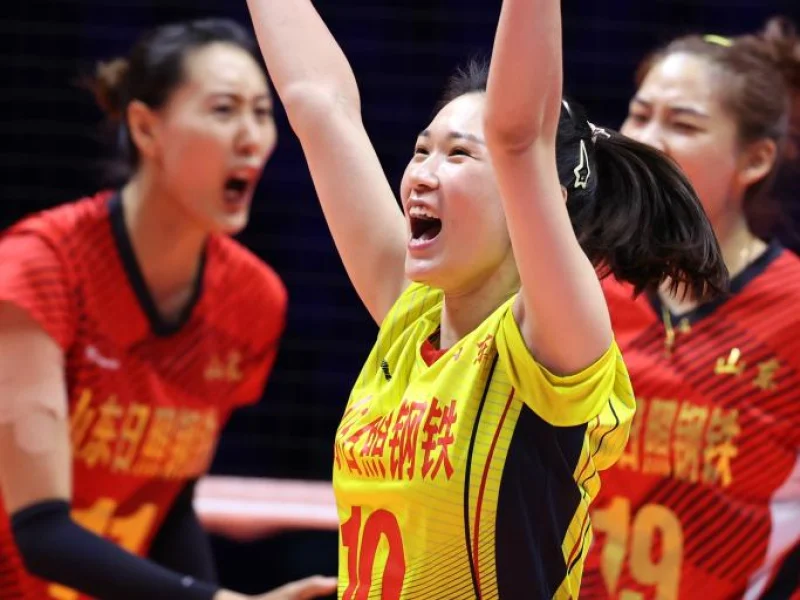
For Wang, the season completed a return to the system in which her career had started. After spending the previous year with Beijing, she was again playing major domestic matches for Shandong while continuing to hold a senior national-team role.
Club Career Timeline
| Seasons | Team | Country |
|---|---|---|
| Early career–2018 | Shandong | China |
| 2018–19 | Beijing BAIC | China |
| 2019–2024 | Shandong | China |
| 2024–25 | Beijing BAIC | China |
| 2025–present | Shandong Rizhao Steel | China |
National Team Career
First Senior Call-Up and the 2015 World Cup
Wang entered the senior China program in 2015. In her own account of her early national-team years, she recalled the demanding transition from provincial volleyball to the daily technical standards required inside the national setup.
She was the youngest libero in the training environment and had to compete with more established defenders for tournament responsibility. Much of that first year was spent learning how little margin for error existed in serve reception and defense at international level.
Wang made the World Cup squad as China returned to the top of the global game. The national team won the 2015 World Cup with a 10–1 record and secured Olympic qualification for Rio.
Lin Li handled the primary libero role through the decisive stage of the tournament, while Wang served as the younger specialist inside the squad. The gold medal nevertheless placed her inside a world-title-winning national team during her first senior season.
Wang did not make China’s final 12-player roster for the Rio Olympics the following year. Instead, she continued working through secondary international tournaments and was the starting libero when a Chinese second team won the 2016 Asian Cup.
Moving Toward the Starting Libero Role
The period after Rio gradually changed Wang’s status. She remained in national-team training and accumulated major-event experience while competing with Lin Li for libero responsibilities.
China won the 2017 Grand Champions Cup during this phase, and Wang continued to take on a larger share of international work as the Tokyo cycle developed.
By the 2018 Asian Games in Jakarta, she was part of the Chinese roster that won gold. The official Chinese delegation list included Wang among the women’s volleyball players, and the tournament became an important step toward her later first-choice status.
The same year brought her first World Championship. Wang shared libero duties with Lin Li as China reached the semifinals and ultimately finished with the bronze medal.
By the second half of the Tokyo cycle, the balance had shifted. Wang increasingly became the libero used in China’s strongest starting lineup, especially as the team prepared for the 2019 World Cup.
2019 World Cup Champion and Best Libero
The 2019 World Cup remains the defining tournament of Wang’s international career. China entered as defending champion and won all 11 matches in Japan.
Wang was the starting libero in the core lineup throughout the competition, working behind a block-defense system built around Yuan Xinyue, Yan Ni and China’s tall wing attackers. The team completed an unbeaten title defense, securing China’s fifth World Cup crown.
Her own performance received the highest positional recognition available. Wang was named Best Libero in the tournament’s official individual awards.
The honor established her internationally rather than only domestically. She had already been one of China’s major libero options, but the World Cup award identified her as the top player at the position across one of volleyball’s major global tournaments.
The title also formed the core of China’s eventual Tokyo Olympic roster. When the delayed Games arrived in 2021, all 12 selected Chinese players had been members of the 2019 World Cup championship squad.
Tokyo 2020 Olympic Games
Wang was selected as China’s only libero for the Tokyo Olympic Games. The official Olympic roster placed her in a 12-player squad built largely around the group that had won the World Cup two years earlier.
The tournament did not follow China’s expected path. The defending Olympic champion lost its first three pool matches and was eliminated before the quarterfinals despite finishing with victories over Italy and Argentina.
For Wang, Tokyo was still a significant personal milestone. She had been part of the wider Rio-cycle program without making the final 2016 Olympic team; five years later, she went to Tokyo as China’s sole specialist libero.
The difficult result also became part of a longer international career rather than an endpoint. China changed coaches after Tokyo, but Wang eventually remained central to the next Olympic cycle.
Rebuilding Through the 2022 World Championship
Cai Bin’s national team brought Wang back into a leading role in 2022. She played through the Volleyball Nations League and remained the primary libero when China traveled to the World Championship in the Netherlands and Poland.
Wang started major matches during the tournament, including China’s second-phase win over Japan. Volleyball World’s competition profile records her throughout a campaign in which China eventually finished sixth.
That tournament mattered because it restored Wang to a stable first-choice international role after the disappointment of Tokyo. China was rebuilding around Li Yingying, Wang Yuanyuan and several players taking on greater responsibility, while Wang supplied continuity in serve reception and defense.
2023 VNL Silver and Hangzhou Asian Games Gold
China’s 2023 VNL run produced one of the best international stretches of Wang’s career. The team advanced through the Finals in Arlington and reached its first championship match since the competition had been renamed the Volleyball Nations League.
Wang’s semifinal against Poland was one of her clearest defensive performances. Volleyball World recorded a match-high 10 digs as China swept Poland 3–0 to reach the final.
Türkiye defeated China 3–1 in the championship match, leaving the Chinese team with silver. The result was still China’s best VNL finish since the competition’s format change.
The international season ended with a title at the Hangzhou Asian Games. China went through the tournament without dropping a set and defeated Japan 3–0 in the final to win its ninth Asian Games women’s volleyball gold.
For Wang, it was a second Asian Games title after Jakarta 2018 and another major event in which she operated as the senior libero within China’s starting structure.
Paris 2024: Second Olympic Appearance
Wang remained China’s primary libero throughout the Paris Olympic cycle. When the final Olympic team was announced, the General Administration of Sport described her as one of the players who had held a core role throughout the cycle.
Paris became Wang’s second Olympic Games. China opened strongly, beating the United States 3–2, France 3–0 and Serbia 3–1 to finish first in its pool.
The quarterfinal against Türkiye went five sets. China lost 15–12 in the decider and missed the semifinals, ending an otherwise unbeaten Olympic campaign.
Wang had entered the tournament as China’s only libero and remained responsible for the majority of serve-reception and defensive organization. Unlike Tokyo, where China exited in the group stage, Paris took the team into the knockout round before another narrow elimination.
Continuing into the Los Angeles Cycle
Wang remained with the national team after Paris rather than stepping away from international volleyball. When Zhao Yong took over China in 2025, she was one of the experienced Olympic players retained in the first 19-player squad.
She wore No. 18 in the 2025 VNL registration and remained one of China’s principal libero options alongside Ni Feifan and Zheng Xinyi.
Wang also made the final World Championship squad in Thailand. She and Ni were selected as China’s two liberos, keeping Wang in a major global tournament more than a decade after her first senior call-up.
China won its pool but was eliminated by France in the Round of 16. The result was disappointing, yet the season confirmed that Wang remained part of the senior national-team core through the first year of another Olympic cycle.
2026 VNL: Veteran Role in a Younger Team
China began 2026 with a younger training group, while several senior players joined later. Wang was among five established internationals who returned to camp in April after the initial phase of preparation.
She resumed the first-choice libero role during the VNL and remained heavily involved through the Finals in Macao. Volleyball World’s 2026 player statistics record her reception and defensive work across the competition.
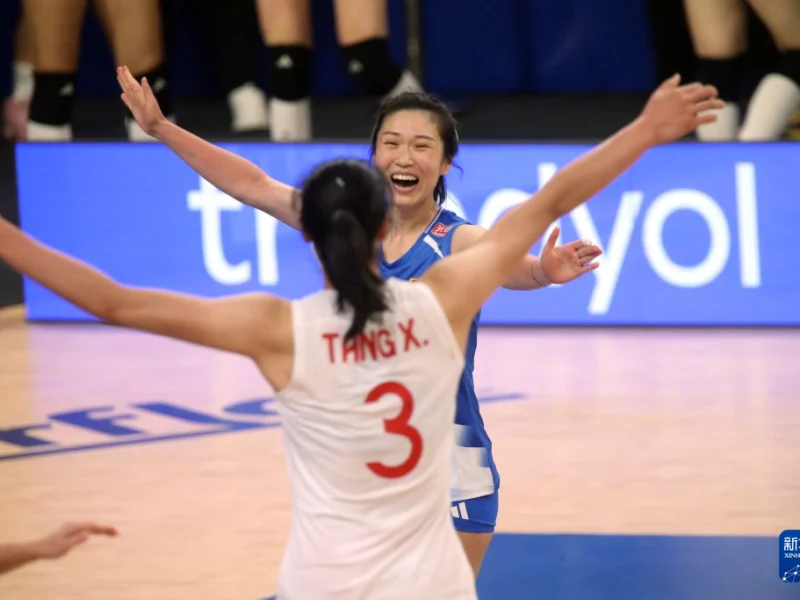
China reached the semifinals but lost to Türkiye, then faced Italy in the bronze-medal match. Wang started at libero as China finished fourth.
Her function within the roster had changed subtly from earlier cycles. She was still handling the most important defensive assignments, but she was now one of the most experienced players in a squad introducing several teenagers and first-year senior internationals.
Best Libero at the 2026 Asian Championship
The Asian Championship in Tianjin was China’s most important continental event of the summer because the champion would receive direct qualification for the 2028 Los Angeles Olympics.
China selected Wang and Ni Feifan as its two liberos. Wang took the starting role in the knockout rounds, including the quarterfinal against Vietnam.
China reached the final against Thailand and twice led in sets before losing 3–2. The silver medal meant China missed the tournament’s direct Olympic qualification place.
Wang nevertheless received one of the event’s major individual honors. After the final, she was selected as Best Libero in the tournament’s Best Team.
The award arrived seven years after her 2019 World Cup Best Libero selection. At 30, it provided a notable late-career counterpart to the honor that had established her at the global level.
Third Asian Games Gold in 2026
Wang remained in China’s reduced 12-player roster for the Aichi-Nagoya Asian Games. She was the only libero selected after Ni Feifan was left out of the final competition squad.
China advanced to the final and faced host Japan. Wang started at libero as China won 3–0, taking the sets 25–19, 25–20 and 25–23.
The victory gave China a third consecutive Asian Games title and its tenth women’s volleyball gold in the event’s history.
For Wang, the result completed a rare three-title Asian Games sequence: Jakarta 2018, Hangzhou 2023 and Aichi-Nagoya 2026. By the third of those tournaments she was one of only a few players in the squad with previous Asian Games experience, giving her a different role from the younger libero who had entered the 2018 cycle.
Playing Style & Strengths
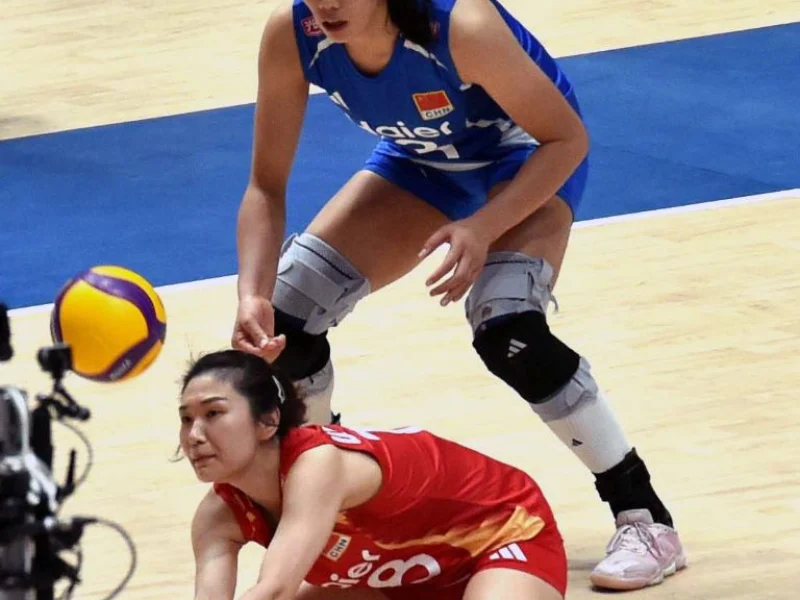
Wang’s game is built first around the two technical areas that define elite libero play: serve reception and floor defense. Her value comes less from one spectacular movement than from the ability to give the setter a playable second contact repeatedly across a match.
Reception has been a measurable strength since early in her senior club career. During the 2016–17 Chinese league season, the official statistical review credited her with 346 effective receptions, the highest total in the competition.
Her movement behind the block is equally important. Wang stays relatively upright until the attacker’s contact compared with liberos who commit early to one defensive lane, allowing her to react to tips, block touches and hard-driven balls that change direction late.
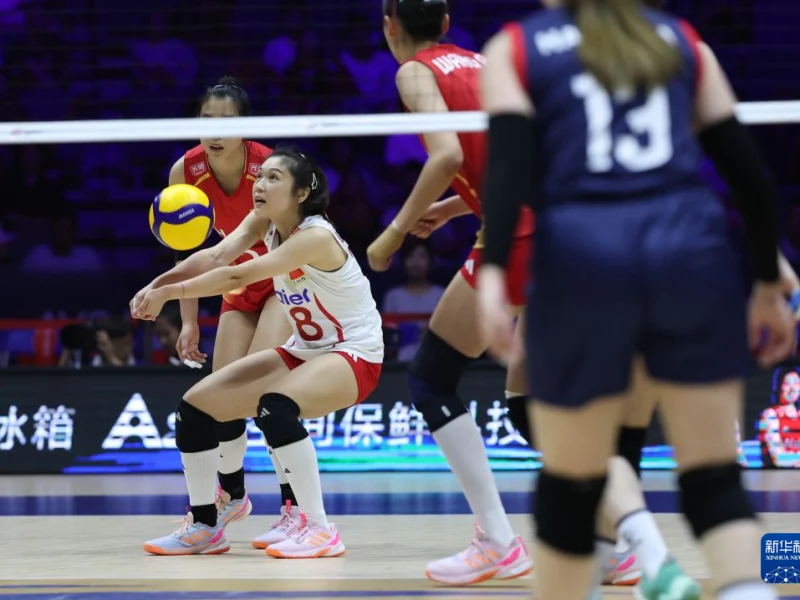
That style places a premium on reading rather than raw reach. At 172 cm by the current China federation listing, she is not physically imposing, but the libero position rewards anticipation, low-body control and the ability to arrive balanced enough to direct the dig rather than merely keep the ball off the floor.
The 2023 VNL semifinal against Poland provides a useful high-level example. Wang produced a match-high 10 digs in a straight-sets win, with several of those defensive contacts coming during long rallies that helped China control the match.
Communication has become increasingly important as her career has progressed. A younger Wang entered national-team camps surrounded by experienced players; by 2026 she was organizing the backcourt for lineups containing several first-cycle internationals.
Her own description of the libero role emphasizes repetition and responsibility. In a 2025 first-person essay, Wang wrote about the endless sequence of reception, passing and defensive drills that shaped her national-team development, noting that the position carries little of the visible scoring reward available to attackers.
That training history helps explain her durability. Wang has remained internationally relevant across several coaching staffs because the core value of her game—stabilizing first contact and extending rallies—translates between tactical systems.
Major Achievements
Selected National Team Honors
| Year | Competition | Result |
|---|---|---|
| 2015 | FIVB World Cup | Gold |
| 2016 | AVC Cup | Gold |
| 2017 | FIVB World Grand Champions Cup | Gold |
| 2018 | Asian Games | Gold |
| 2018 | FIVB Women’s World Championship | Bronze |
| 2019 | FIVB World Cup | Gold |
| 2023 | Volleyball Nations League | Silver |
| 2023 | Asian Games | Gold |
| 2026 | Asian Women’s Volleyball Championship | Silver |
| 2026 | Asian Games | Gold |
The two World Cup titles form the strongest global championship line in Wang’s résumé. She entered the 2015 team as a young second libero, then returned four years later as the primary libero when China completed an unbeaten title defense.
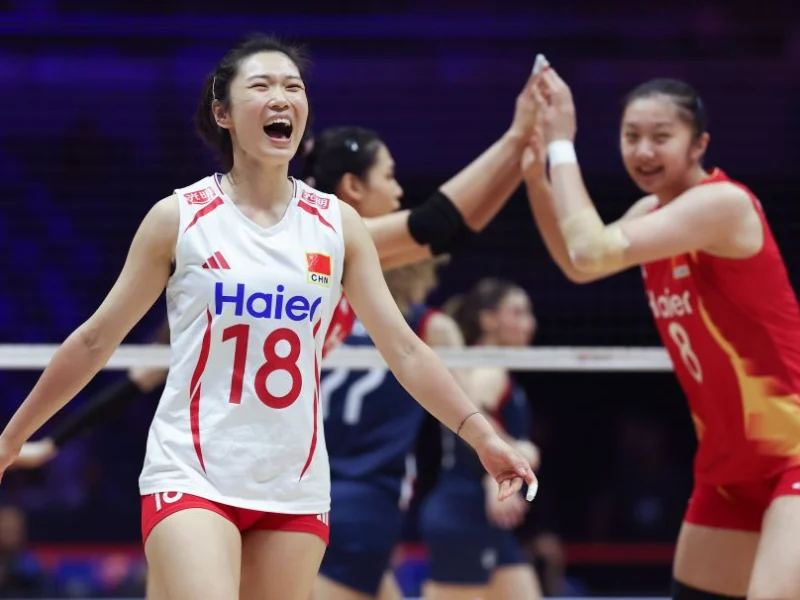
Her Asian Games record spans eight years and three editions. The 2026 victory made her a three-time Asian Games champion after earlier gold medals in Jakarta and Hangzhou.
Selected Club & Domestic Honors
| Year / Season | Competition | Team | Result |
|---|---|---|---|
| 2018–19 | Chinese Women’s Volleyball Super League | Beijing BAIC | Champion |
| 2025 | National Games of China | Shandong | Silver |
| 2025–26 | Chinese Women’s Volleyball Super League | Shandong Rizhao Steel | Bronze |
Wang’s 2018–19 season with Beijing produced her first Chinese league championship. Her return to Shandong later delivered two historic provincial results: a first-ever senior National Games final in 2025 and the club’s best Chinese Super League finish in 2025–26.
Selected Individual Awards
| Year / Season | Competition | Award |
|---|---|---|
| 2019 | FIVB World Cup | Best Libero |
| 2020–21 | Chinese Women’s Volleyball Super League | Best Libero |
| 2026 | Asian Women’s Volleyball Championship | Best Libero |
The 2019 World Cup award remains Wang’s most important individual honor. The 2026 Asian Championship Best Libero selection extended her record of top-level positional recognition into another Olympic cycle.
Personal Life & Marriage
Wang married Niu Sijia in Beijing on October 7, 2024. Niu came from a volleyball background himself and worked as an assistant coach with Beijing’s women’s team and the China men’s national team.
The couple met during Wang’s first season with Beijing in 2018–19. Beijing Daily reported that they began their relationship during the same year in which Wang helped the club win its first professional league championship.
Wang announced the marriage publicly in September 2024, describing Niu as the person who had accompanied her through six years that included difficult periods in her career.
The timing also connected two parts of her life. Weeks after the wedding, Wang began another season with Beijing before eventually returning to Shandong the following year.
Coaching Role at Beijing International Studies University
Wang added a second professional role while continuing to compete. In November 2025, Beijing International Studies University announced that she had joined its Department of Physical Education as a volleyball coach.
She described the move from full-time professional athlete toward university teaching as a new challenge, with the aim of converting more than a decade of elite competition experience into material students could understand and use.
The appointment did not mark the end of her playing career. Wang continued with both Shandong and the China national team in 2026, including the VNL, Asian Championship and Asian Games.
That overlap gives her current career an unusual shape. She remains an active international libero while already beginning to transfer her experience into coaching and sports education.
Where Is Wang Mengjie Playing Now?
As of November 2026, Wang remains associated with Shandong Rizhao Steel in the Chinese Women’s Volleyball Super League. She returned to Shandong for the 2025 National Games and 2025–26 league season after spending 2024–25 with Beijing.
Shandong finished third in 2025–26, the best league result in club history, and opened the new 2026–27 season with a 3–1 home victory over promoted Henan. The club is moving through a younger roster cycle after several experienced players took overseas opportunities.
Wang’s national-team position remains active as well. She started major matches during the 2026 VNL, won Best Libero at the Asian Championship and then served as China’s sole libero during the Asian Games title run.
At the same time, she holds a coaching position at Beijing International Studies University. Her current status is therefore not a transition into retirement but a combination of elite competition and the beginning of a parallel coaching career.
Frequently Asked Questions
How old is Wang Mengjie?
Wang Mengjie was born on November 14, 1995. She is 30 years old as of November 9, 2026.
How tall is Wang Mengjie?
The China Volleyball Association lists Wang at 172 cm. Volleyball World uses 173 cm in its international player profile.
What position does Wang Mengjie play?
Wang is a libero. Her main responsibilities are serve reception, floor defense, coverage and backcourt organization.
Which club does Wang Mengjie play for?
Wang plays for Shandong Rizhao Steel. She returned to the Shandong system for the 2025 National Games and the 2025–26 Chinese Super League after spending the previous league season with Beijing BAIC.
Has Wang Mengjie played at the Olympics?
Yes. Wang was China’s sole libero at the Tokyo 2020 Olympics and again at Paris 2024. She was in the wider Rio-cycle program in 2016 but did not make China’s final 12-player Rio Olympic roster.
Has Wang Mengjie won the World Cup?
Yes. Wang was part of China’s 2015 World Cup champion and was the starting libero when China won the tournament again in 2019.
What individual awards has Wang Mengjie won?
Wang was named Best Libero at the 2019 World Cup, Best Libero of the 2020–21 Chinese Super League and Best Libero at the 2026 Asian Championship.
How many Asian Games gold medals has Wang Mengjie won?
Wang has three Asian Games gold medals: 2018 in Jakarta, 2023 in Hangzhou and 2026 in Aichi-Nagoya.
Is Wang Mengjie married?
Yes. Wang married former volleyball player and coach Niu Sijia in October 2024.
References
- China Volleyball Association — 2026 China Women’s National Team player profiles
- Volleyball World — Wang Mengjie VNL 2026 player profile
- China Volleyball Association — 2023 China Women’s National Team training roster
- China Volleyball Association — Wang Mengjie: My understanding of the Chinese women’s volleyball spirit
- General Administration of Sport of China — 2016–17 league reception and libero statistics
- Beijing Daily — Wang Mengjie returns to Beijing BAIC and marries Niu Sijia
- China Volleyball Association — Beijing vs. Fujian, 2024–25 league opener
- China Volleyball Association — Historical Chinese Women’s Super League individual awards
- China Volleyball Association — Shandong Rizhao Steel 2025–26 team roster
- China Volleyball Association — 2025 National Games women’s final
- China Volleyball Association — Shandong wins 2025–26 Chinese Super League bronze
- General Administration of Sport of China — China wins the 2015 World Cup
- General Administration of Sport of China — China wins the 2017 World Grand Champions Cup
- People’s Daily / General Administration of Sport — China’s 2018 Asian Games delegation
- General Administration of Sport of China — China finishes third at the 2018 World Championship
- General Administration of Sport of China — China wins the 2019 World Cup undefeated
- General Administration of Sport of China — Wang Mengjie named 2019 World Cup Best Libero
- General Administration of Sport of China — China’s Tokyo Olympic volleyball roster
- Volleyball World — Wang Mengjie at the 2022 World Championship
- Volleyball World — China reaches the 2023 VNL final; Wang Mengjie records 10 digs
- General Administration of Sport of China — China wins 2023 VNL silver
- General Administration of Sport of China — China wins the 2023 Asian Games women’s volleyball title
- General Administration of Sport of China — China’s Paris 2024 Olympic roster
- General Administration of Sport of China — China vs. Türkiye, Paris 2024 quarterfinal
- General Administration of Sport of China — China’s first national-team squad of the Los Angeles cycle
- General Administration of Sport of China — China’s 2025 VNL registration
- Beijing News — China’s final 2025 World Championship roster
- Beijing International Studies University — Wang Mengjie joins the university as a volleyball coach
- China Volleyball Association — China’s 2026 national-team open training session
- General Administration of Sport of China — China finishes fourth in the 2026 VNL
- Chinese Olympic Committee — China’s 2026 Asian Championship roster
- Chinese Olympic Committee — China wins Asian Championship silver; Wang Mengjie named Best Libero
- China Volleyball Association — China beats Japan to win the 2026 Asian Games
- China Volleyball Association — Opening round of the 2026–27 Chinese Volleyball Super League
- Guangzhou Daily — Wang Mengjie announces her marriage to Niu Sijia