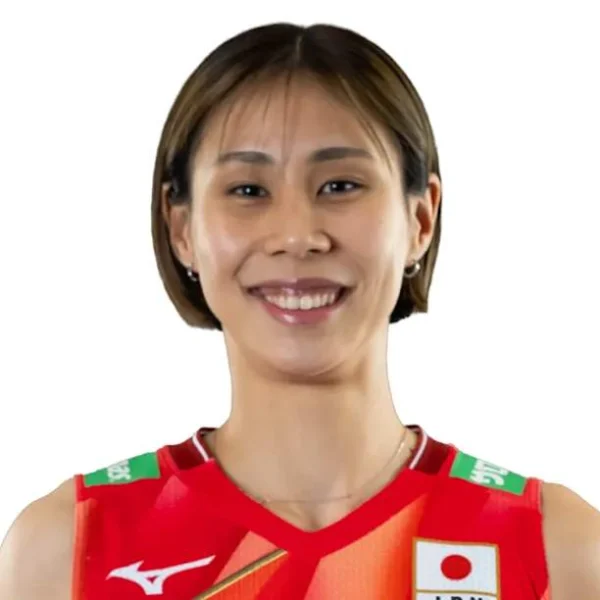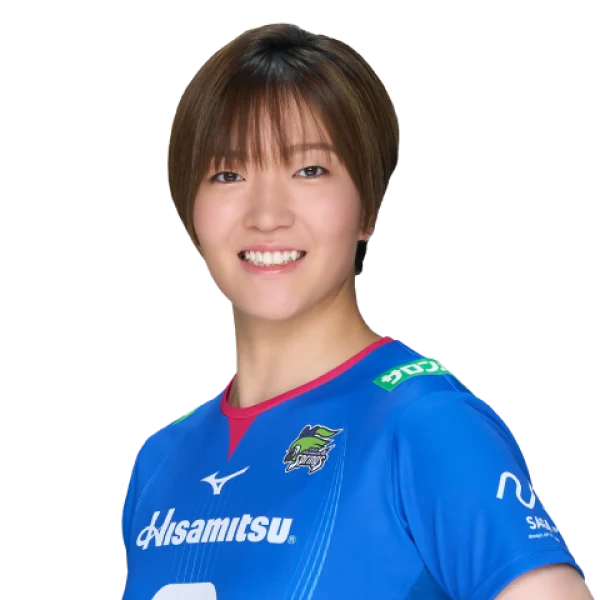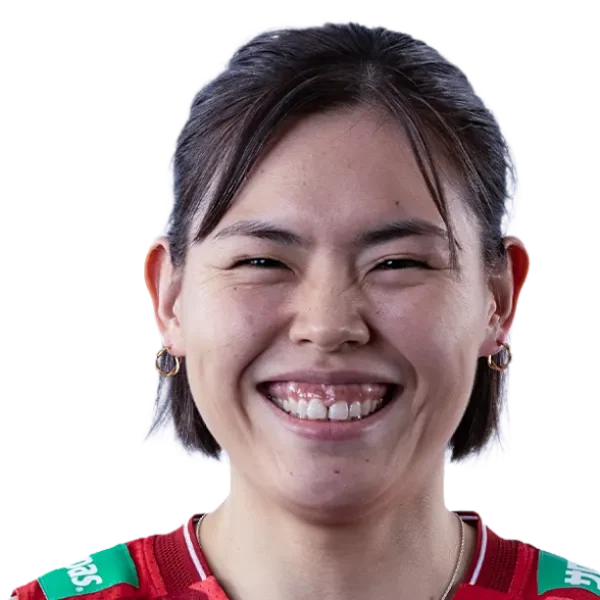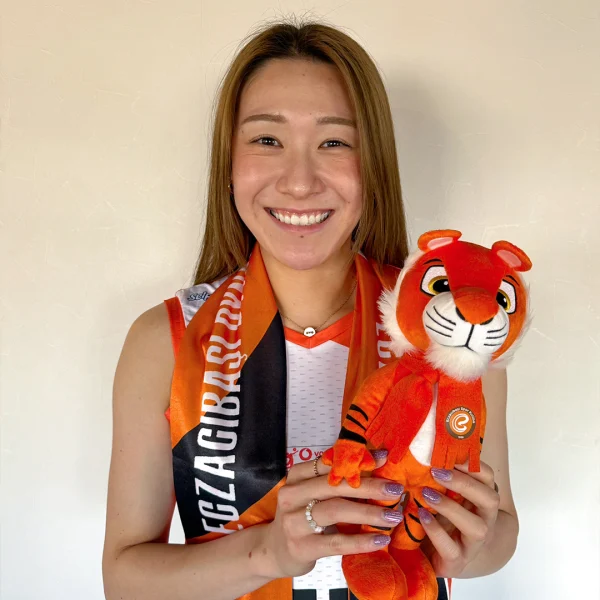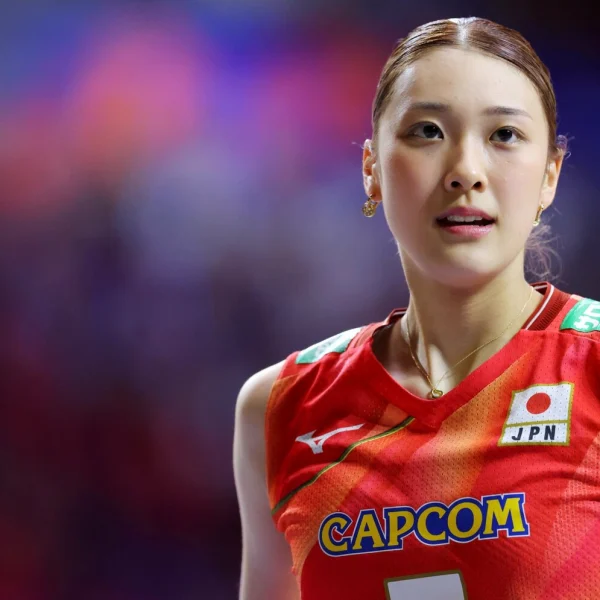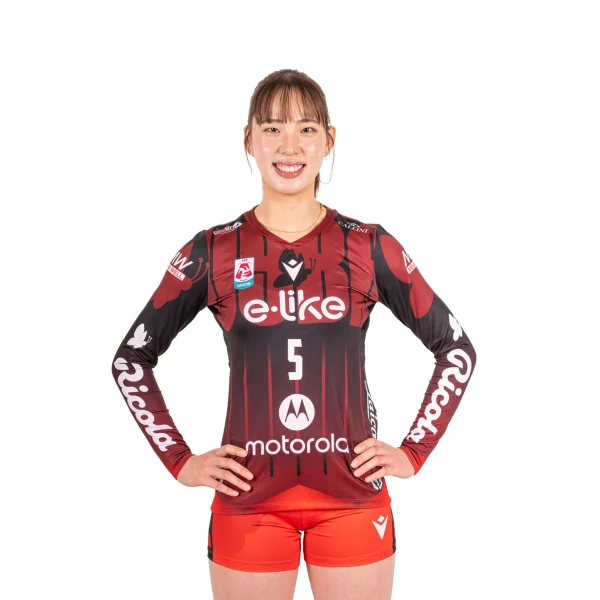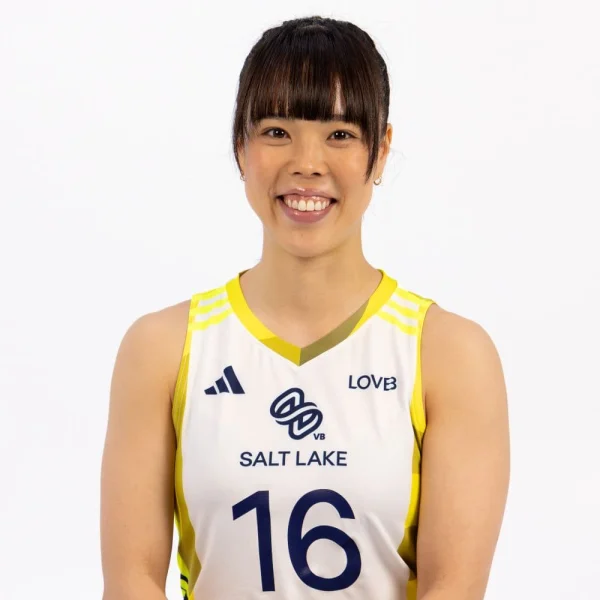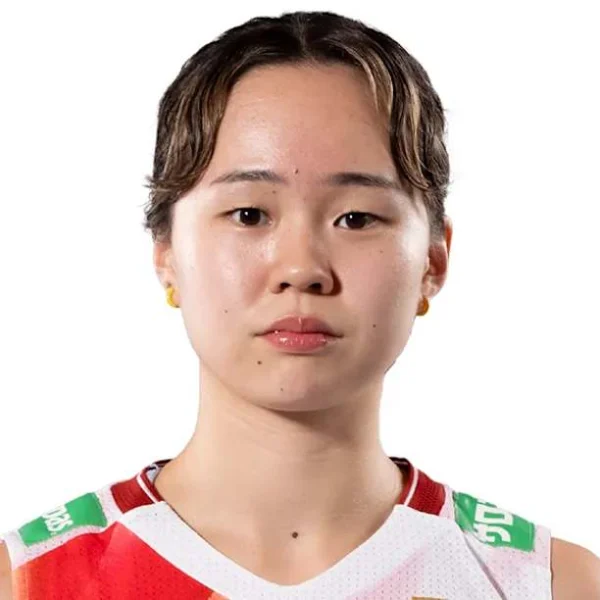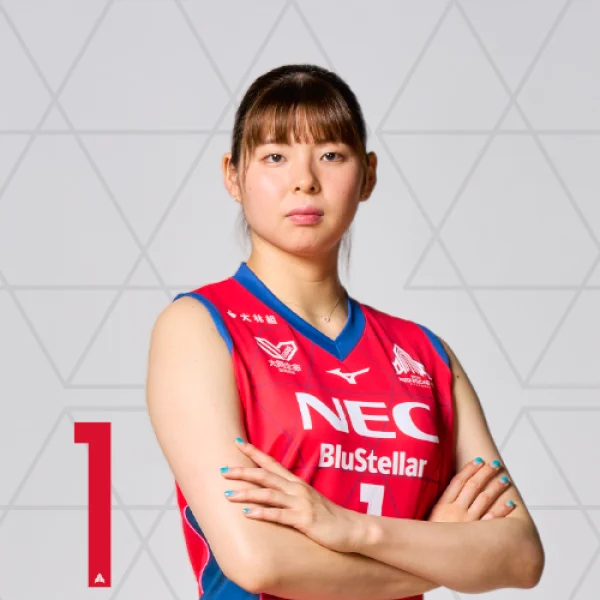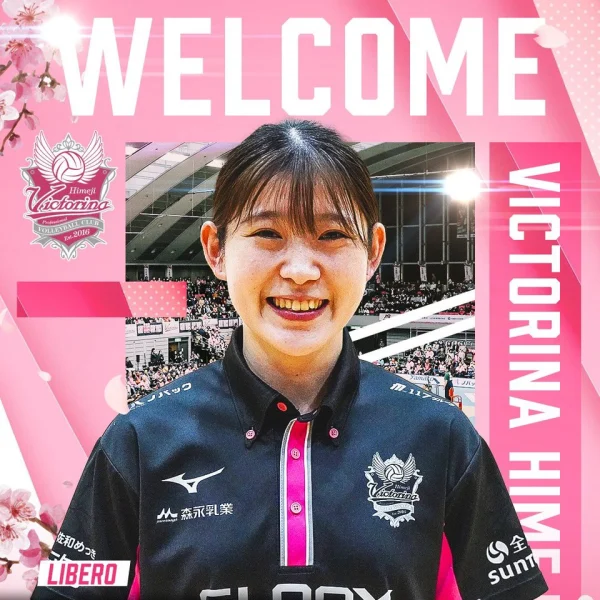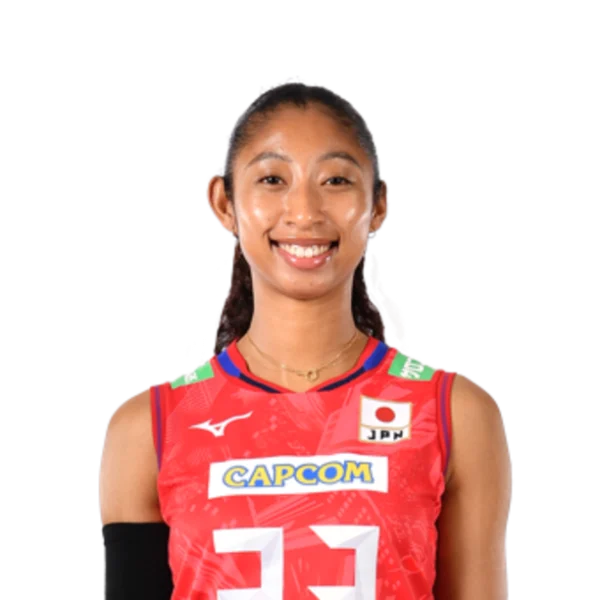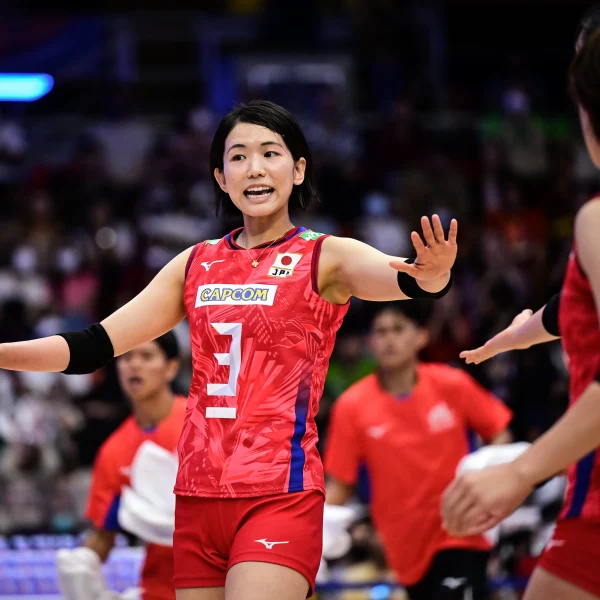
Japan enter the current international cycle with an unusual combination of historical weight and contemporary relevance. The women’s national team won Olympic gold at Tokyo 1964 and Montreal 1976, collected three World Championship titles during the 1960s and 1970s, and later returned to major podiums with bronze at the 2010 World Championship and London 2012 Olympics. The modern team is no longer defined by those early decades alone: Japan reached their first Volleyball Nations League final in 2024, finished fourth at both the 2025 VNL and 2025 World Championship, and remain among the highest-ranked teams in the world.
Ferhat Akbaş has led the team since 2025, becoming the first foreign head coach in the history of Japan’s women’s national team. Mayu Ishikawa continued as captain in 2026, while the federation expanded the registered senior pool to 37 players, including established internationals, players competing abroad and a significant group of first-time selections. Japan finished seventh in the 2026 VNL, took bronze at the Asian Championship to secure a place at the 2027 FIVB Volleyball Women’s World Cup, and ended the international season with silver at the 2026 Asian Games.
Team Information
| Field | Detail |
|---|---|
| Official Team Name | Japan Women’s National Volleyball Team |
| Native Name | バレーボール女子日本代表 |
| Country | Japan |
| Gender | Women |
| National Federation | Japan Volleyball Association (JVA) |
| FIVB Code | JPN |
| Confederation | Asian Volleyball Confederation (AVC) |
| Head Coach | Ferhat Akbaş |
| Captain | Mayu Ishikawa |
| FIVB World Ranking | No. 6 — 337.16 points — View full FIVB rankings |
| Current Cycle | 2026–28 / Los Angeles 2028 cycle |
| 2027 World Cup Status | Qualified through the 2026 Asian Championship |
| LA28 Olympic Status | Not yet qualified |
| Olympic Best Result | Gold — 1964, 1976 |
| World Championship Best Result | Champions — 1962, 1967, 1974 |
| VNL Best Result | Silver — 2024 |
| Asian Championship Best Result | Champions — 1975, 1983, 2007, 2017, 2019 |
| Official Team / Federation Page | Japan Volleyball Association — 2026 Women’s National Team |
| Federation X | Japan Volleyball Association on X |
| Federation Instagram | Japan Volleyball Association on Instagram |
| Federation Facebook | Japan Volleyball Association on Facebook |
| Federation YouTube | Japan Volleyball Association on YouTube |
| Federation TikTok | Japan Volleyball Association on TikTok |
The ranking is a current snapshot rather than a permanent team attribute. Volleyball World’s official women’s ranking lists Japan sixth on 337.16 points, behind Italy, Brazil, Türkiye, the United States and Poland. The social accounts above are federation-wide JVA channels rather than women’s-team-only accounts.
From the Golden Era to the Modern Team
Japan’s place in women’s volleyball history was established during the sport’s formative international decades. The national team finished second at the 1960 World Championship and then won the tournament in 1962. Two years later, when women’s volleyball made its Olympic debut in Tokyo, Japan won the inaugural gold medal on home soil. The team followed that success with Olympic silver medals in 1968 and 1972 before winning another gold at Montreal 1976.
The World Championship record from the same era was similarly strong. Japan were champions in 1962, 1967 and 1974 and runners-up in 1960, 1970 and 1978. They also won the traditional FIVB World Cup in 1977. Those results gave Japan a sustained place at the top of the women’s game rather than a single breakthrough generation.
The competitive landscape changed substantially as China, Cuba, Brazil, the United States and major European programs developed, but Japan continued to return to the later rounds of major competitions. The 2010 World Championship brought a bronze medal, Japan’s first at that event in 32 years, and Masayoshi Manabe’s team followed it with bronze at the London 2012 Olympics. JVA records describe the London medal as Japan’s first Olympic women’s volleyball medal since 1984.
Another important transition came after the Paris 2024 cycle. Japan had reached the 2024 VNL final, losing to Italy and earning their first VNL medal, but the retirement of captain Sarina Koga left the program with a significant leadership and attacking transition. Ferhat Akbaş took charge for 2025 with Mayu Ishikawa becoming the central figure of the new cycle. His first season produced fourth place in the VNL and fourth place at the World Championship, keeping Japan within the leading group internationally while the roster was being reshaped.
Japan at the Olympic Games
Japan’s Olympic history is one of the strongest elements of the program’s identity. The team won the first women’s Olympic volleyball tournament in Tokyo in 1964, took silver in Mexico City in 1968 and Munich in 1972, then returned to the top of the podium at Montreal 1976. Bronze followed at Los Angeles 1984.
The 2012 team ended a long Olympic medal drought. With a generation that included Yoshie Takeshita, Saori Kimura, Erika Araki, Yuko Sano and other established internationals, Japan claimed bronze in London, their first Olympic medal in 28 years. The result remains the country’s most recent Olympic women’s volleyball medal.
The current LA28 cycle is still open. Japan did not take Asia’s direct Olympic place at the 2026 continental championship, where Thailand won the title. Under the FIVB qualification system, further women’s Olympic places will go to the three highest-finishing teams not already qualified at the 2027 global championship and then to the three highest-ranked remaining teams after the 2028 VNL preliminary phase. That makes both the 2027 World Cup and Japan’s world-ranking position important to the next stage of the cycle.
World Championship and Global Competition Record
Japan’s three World Championship titles — 1962, 1967 and 1974 — belong to the defining period of the program. The team also finished second in 1960, 1970 and 1978, producing a sequence in which Japan finished first or second at seven consecutive editions from 1960 through 1978.
The 2010 bronze medal was the next major World Championship podium. Fifteen years later, Japan came close again. At the 2025 World Championship in Thailand, Akbaş’s team advanced to the semifinals and ultimately finished fourth after an extended bronze-medal match against Brazil. Japan fell behind by two sets, forced a fifth, and lost 18–16 in the decider. It was a result that showed the new cycle could already reach the final weekend of a major global tournament, even though it stopped one victory short of a medal.
Japan also have a strong record in the historic FIVB World Cup format, winning the 1977 edition and finishing second in 1973 and 1981. The current global calendar now places Japan’s immediate focus on the 2027 FIVB Volleyball Women’s World Cup in the United States and Canada, for which the team has already qualified.
Japan in the Volleyball Nations League
The VNL has become one of the clearest measures of Japan’s present standing. The breakthrough came in 2024, when Japan advanced to the final for the first time. Italy won the title match 3–1, but silver gave Japan their first medal in a senior FIVB global competition since the 2014 World Grand Prix.
Japan remained in the final-round picture after Akbaş took over. They placed fourth in the 2025 VNL before another top-eight campaign in 2026. During the 2026 preliminary round, Japan finished with an 8–4 record, closing the league phase by recovering from two sets down to beat Poland 3–2. Brazil then eliminated Japan 3–1 in the quarterfinals in Macao, leaving the team seventh overall.
That sequence — silver in 2024, fourth in 2025 and seventh in 2026 — also reflects the changing roster around Japan’s core. The team has continued to qualify for the VNL knockout phase while giving significant senior minutes to newer attackers and expanding the range of players available for the longer LA28 cycle.
Asian Championship and Continental Record
Japan were among the original dominant teams of the Asian Championship, winning the inaugural women’s edition in 1975. Further titles came in 1983 and 2007, followed by back-to-back championships in 2017 and 2019.
The 2026 Asian Championship in Tianjin carried additional importance because it was tied to both the 2027 World Cup pathway and the opening stage of LA28 qualification. Japan advanced through the tournament but lost to Thailand in the semifinal. A straight-sets win over Iran in the bronze-medal match secured third place and Asia’s final direct berth to the 2027 World Cup. Thailand, as continental champion, secured the Asian Olympic quota for LA28; China finished second.
Japan’s Asian Games history adds another layer. The team won five consecutive women’s titles from 1962 through 1978. In the modern period, Japan took silver at Hangzhou 2023 and again on home soil at Aichi-Nagoya 2026. The 2026 team reached the final without dropping a set in the quarterfinal or semifinal, beating Chinese Taipei and Korea 3–0, before China won the gold-medal match 25–19, 25–20, 25–23.
2026 Current National Team Pool
JVA registered 37 players for the 2026 senior women’s national-team pool, including 14 first-time selections. Players were drawn from this wider group for camps and competition rosters running from the VNL through the Asian Games. The table below therefore represents the federation’s annual senior pool, not the squad for one specific tournament.
| Player | Position | Club / Team | Height |
|---|---|---|---|
| Yukiko Wada | Outside Hitter | UYBA Volley Busto Arsizio | 175 cm |
| Ayaka Araki | Middle Blocker | SAGA Hisamitsu Springs | 185 cm |
| Haruyo Shimamura | Middle Blocker | Gunma Green Wings | 182 cm |
| Mayu Ishikawa | Outside Hitter | Eczacıbaşı | 174 cm |
| Yoshino Sato | Outside Hitter | Vero Volley Milano | 178 cm |
| Nanami Seki | Setter | UYBA Volley Busto Arsizio | 171 cm |
| Erika Sakae | Setter | SAGA Hisamitsu Springs | 168 cm |
| Manami Kojima | Libero | LOVB Salt Lake Volleyball | 158 cm |
| Miiku Iwasawa | Libero | LOVB Miami Volleyball | 163 cm |
| Tsukasa Nakagawa | Setter | NEC Red Rockets Kawasaki | 159 cm |
| Nichika Yamada | Middle Blocker | NEC Red Rockets Kawasaki | 184 cm |
| Satomi Fukudome | Libero | Victorina Himeji | 162 cm |
| Maki Yamaguchi | Middle Blocker | KUROBE Aqua Fairies Toyama | 176 cm |
| Hitomi Shiode | Setter | Osaka Marvelous | 174 cm |
| Airi Miyabe | Middle Blocker | Minnesota, USA | 181 cm |
| Hinata Shigihara | Outside Hitter | Aleeza Aichi | 175 cm |
| Miyu Kawazoe | Outside Hitter | PFU BlueCats Ishikawa Kahoku | 170 cm |
| Ameze Miyabe | Outside Hitter | Levallois Paris Saint-Cloud | 174 cm |
| Mana Nishizaki | Libero | Osaka Marvelous | 158 cm |
| Rin Honda | Middle Blocker | Toray Arrows Shiga | 177 cm |
| Ai Hirota | Outside Hitter | NEC Red Rockets Kawasaki | 176 cm |
| Ayane Kitamado | Outside Hitter | SAGA Hisamitsu Springs | 183 cm |
| Miina Inoue | Middle Blocker | SAGA Hisamitsu Springs | 180 cm |
| Chisato Hanaoka | Setter | Toray Arrows Shiga | 174 cm |
| Sae Omori | Outside Hitter | University of Tsukuba | 173 cm |
| Miku Otomo | Outside Hitter | UYBA Volley Busto Arsizio | 185 cm |
| Yuzuki Baba | Middle Blocker | University of Tsukuba | 180 cm |
| Ayaka Sato | Outside Hitter | Tokyo Women’s College of Physical Education | 176 cm |
| Moeka Kinoe | Middle Blocker | NEC Red Rockets Kawasaki | 182 cm |
| Mikoto Shima | Outside Hitter | Gunma Green Wings | 175 cm |
| Tamaki Matsui | Setter | PFU BlueCats Ishikawa Kahoku | 170 cm |
| Minami Nishimura | Libero | SAGA Hisamitsu Springs | 168 cm |
| Mizuki Ninomiya | Setter | Victorina Himeji | 170 cm |
| Rion Chuganji | Outside Hitter | Higashi Kyushu Ryukoku High School | 182 cm |
| Yuuko Yamashita | Middle Blocker | Kyoei Gakuen High School | 184 cm |
| Maiko Okumo | Outside Hitter | Hachioji Jissen High School | 184 cm |
| Amane Kobayashi | Setter | Shimokitazawa Seitoku High School | 178 cm |
The breadth of the selection is notable. Alongside established senior players such as Ishikawa, Seki, Shimamura and Kojima, the pool includes college and high-school prospects and a growing number of players based overseas. Competition squads were considerably smaller: the VNL and Asian Games selections were drawn from this wider registered group and should not be treated as replacements for the annual pool.
Coaching Staff
| Role | Name | Organization / Club |
|---|---|---|
| Head Coach | Ferhat Akbaş | Japan Volleyball Association |
| Women’s National Team Development Committee Chair | Futoshi Teramawari | Japan Volleyball Association |
| Coach | Takayuki Kaneko | Japan Volleyball Association |
| Coach | Shun Takahashi | Victorina Himeji |
| Coach | Shun Toyokihara | SAGA Hisamitsu Springs |
| Coach | Gakuto Hashimoto | Japan Volleyball Association |
| Coach / Analyst | Shizuka Mishima | Saitama Ageo Medics |
| Analyst | Masaya Matsumaru | Aleeza Aichi |
| Chief Manager | Asami Suyama | Japan Volleyball Association |
| Manager | Shino Nakata | Japan Volleyball Association |
JVA’s 2026 registration also includes dedicated athletic-training, strength-and-conditioning and medical personnel. The size of the staff reflects the federation’s broad annual-pool model rather than a single tournament traveling group.
Akbaş’s appointment also represented a structural change. JVA identified him as the first foreign head coach of the women’s national team. He was not new to Japanese volleyball, having previously served on Japan’s staff in 2017–18, including the 2017 Asian Championship-winning season.
How Japan Plays
Japan’s current style is still built around speed, ball control and the ability to turn defensive touches into immediate attacking opportunities, but it should not be treated as a fixed national formula. Personnel and the coaching cycle matter. In 2026, JVA match reporting repeatedly showed the value of pressure from serve, organized floor defense and quick conversion after digs. Against Hong Kong China at the Asian Championship, for example, Japan used Nanami Seki’s serving and fast transitions out of defense to establish control early.
The wing group gives Akbaş several different configurations. Ishikawa remains the most established high-volume attacker and captain, while Yoshino Sato and Yukiko Wada have taken increasingly important roles in the senior side. The 37-player pool also gives Japan more size on the wings than some previous generations, with players such as Ayane Kitamado, Miku Otomo and several younger prospects measuring above 180 cm.
Setter selection affects how that identity appears from tournament to tournament. Seki has been central to the recent first team, but Japan registered six setters in the 2026 annual pool, allowing Akbaş to test different tempos and combinations over a long international season. The middle group similarly mixes experience — most notably Haruyo Shimamura — with players such as Nichika Yamada, Ayaka Araki and younger options.
The challenge is maintaining that speed and defensive stability when opponents impose greater serving pressure or close transition windows. Japan’s fourth-place run at the 2025 World Championship showed their capacity to extend matches against elite physical teams, while the 2026 results against Brazil, Thailand and China also showed how quickly the balance can shift when the opponent controls first contact or forces Japan into slower, predictable high-ball situations.
Major Honors
| Competition | Best / Major Results |
|---|---|
| Olympic Games | Gold: 1964, 1976; Silver: 1968, 1972; Bronze: 1984, 2012 |
| FIVB World Championship | Gold: 1962, 1967, 1974; Silver: 1960, 1970, 1978; Bronze: 2010 |
| Volleyball Nations League | Silver: 2024 |
| Historic FIVB World Cup | Gold: 1977; Silver: 1973, 1981 |
| Asian Championship | Champions: 1975, 1983, 2007, 2017, 2019 |
| Asian Games | Gold: 1962, 1966, 1970, 1974, 1978; Silver: most recently 2023 and 2026 |
Japan’s honors span multiple competition eras, so the records should remain separated rather than merged into a single generic medal count. In particular, the historic FIVB World Cup record above refers to the competition staged through 2019, while Japan’s current qualification is for the 2027 global event now branded as the FIVB Volleyball Women’s World Cup.
Key Players Across Generations
| Player | Position | Era / Years | Note |
|---|---|---|---|
| Masae Kasai | Setter / Center | 1960s | Player-coach and one of the defining figures of the Tokyo 1964 Olympic champions |
| Takako Shirai | Wing attacker | 1960s–1970s | Major figure in Japan’s World Championship and Olympic championship era |
| Yoshie Takeshita | Setter | 1990s–2012 | Long-time playmaker and member of the London 2012 bronze-medal team |
| Saori Kimura | Outside Hitter | 2000s–2016 | Central attacker across multiple Olympic cycles and a 2012 Olympic bronze medalist |
| Erika Araki | Middle Blocker | 2000s–2021 | Long-serving middle blocker, captain and 2012 Olympic bronze medalist |
| Sarina Koga | Outside Hitter | 2010s–2024 | Captain in the Paris 2024 cycle and one of the defining Japanese attackers of her generation |
| Mayu Ishikawa | Outside Hitter | Current | Current captain and leading figure of the post-Paris cycle |
| Nanami Seki | Setter | Current | Key setter in Japan’s recent VNL and World Championship campaigns |
| Yoshino Sato | Outside Hitter | Current | Important scoring option in the Akbaş cycle and part of Japan’s overseas-based core |
Japan’s historical strength has rarely depended on one position alone. The championship teams of the 1960s and 1970s established the program’s international identity, while the Takeshita–Kimura–Araki generation delivered the 2012 Olympic medal. The current side is now moving further into a post-Koga phase, with Ishikawa carrying the captaincy and players such as Seki, Sato, Wada and Yamada occupying increasingly established roles.
Rivalries and Key Matchups
China is the most durable Asian reference point for Japan. The two programs have met across Olympic, World Championship, Asian Championship and Asian Games cycles for decades, and China again stood between Japan and a continental multi-sport title in the 2026 Asian Games final.
Thailand has become particularly important in the current Asian cycle. Thailand defeated Japan in the 2026 Asian Championship semifinal and went on to win both the continental title and Asia’s direct LA28 Olympic quota. Japan still secured the third Asian place at the 2027 World Cup through the bronze-medal match.
Korea remains one of Japan’s longstanding regional opponents, although the balance at senior level has shifted in recent years. At the 2026 Asian Games, Japan defeated Korea 3–0 in the semifinal. At global level, matches against Brazil and Italy have been especially useful benchmarks during the current era: Italy beat Japan in the 2024 VNL final, while Brazil eliminated Japan from the 2025 World Championship bronze-medal match and the 2026 VNL quarterfinal.
Qualification Path and the LA28 Cycle
Japan have already completed one important piece of the next global cycle by qualifying for the 2027 FIVB Volleyball Women’s World Cup. The 2026 continental championships awarded three World Cup places from Asia, and Thailand, China and Japan claimed them after finishing first, second and third respectively.
Olympic qualification is separate. The United States receives the host place for Los Angeles 2028, and each of the five 2026 continental champions earns another quota. Thailand therefore secured Asia’s direct Olympic berth, while Japan must continue through the remaining routes. Three places will be awarded to the highest-finishing teams not already qualified at the 2027 global championship, with the final three allocated through the FIVB World Ranking after the 2028 VNL preliminary phase.
That structure makes Japan’s current No. 6 ranking valuable without making it a guarantee. A top-six position gives the team a strong starting point, but qualification will depend on results through the next two international seasons and on which higher-ranked teams secure their places through earlier routes.
Japan in 2026
Japan close the 2026 national-team season as the No. 6 team in the FIVB World Ranking, a confirmed participant in the 2027 World Cup and the Asian Games silver medalist. The year did not produce a global podium: Japan finished seventh in the VNL and third at the Asian Championship. It nevertheless strengthened the program’s position for the next phase by securing World Cup qualification and widening the pool available to Akbaş.
The composition of the 2026 pool also shows how the program is balancing immediate competitiveness with longer-term development. Ishikawa, Seki, Shimamura, Sato and other established players remain available, while JVA brought 14 first-time selections into a 37-player group that reaches down to high-school age. Several senior players are also gaining experience outside Japan in Türkiye, Italy, France and the United States.
The next major test is the 2027 global championship. Japan’s 2025 fourth-place finish demonstrated that a semifinal run is within the current group’s range. The 2027 tournament carries an additional consequence because three Olympic places will be available to the highest-finishing teams that have not already qualified for LA28.
Recent Performance Snapshot
| Competition | Japan Result | Key Context |
|---|---|---|
| 2024 Volleyball Nations League | Silver | Japan’s first VNL final and first medal in a senior FIVB global event since the 2014 World Grand Prix |
| 2025 Volleyball Nations League | 4th | First season under Ferhat Akbaş |
| 2025 World Championship | 4th | Lost bronze-medal match to Brazil 2–3 |
| 2026 Volleyball Nations League | 7th | 8–4 preliminary record; lost quarterfinal to Brazil 1–3 |
| 2026 Asian Championship | Bronze | Secured qualification for the 2027 World Cup |
| 2026 Asian Games | Silver | Lost final to China 0–3 |
Taken together, those results place Japan firmly inside the current international top tier without suggesting that the team has already returned to the sustained medal dominance of its historical peak. Japan have reached a global final, two global final fours and multiple major knockout rounds since 2024, but converting those runs into repeated medals remains the next competitive step.
FAQ
Who is the head coach of Japan’s women’s national volleyball team?
Ferhat Akbaş is the head coach. JVA appointed him for the cycle beginning in 2025, making him the first foreign head coach in the history of Japan’s women’s national team.
Who is Japan’s current women’s volleyball captain?
Mayu Ishikawa is the captain. JVA confirmed that she remained in the role for the 2026 season.
What is Japan’s current FIVB women’s world ranking?
Japan are No. 6 in the official FIVB Women’s Volleyball World Ranking, with 337.16 ranking points in the official table last updated October 13, 2026.
Has Japan qualified for the 2027 Women’s World Cup?
Yes. Japan qualified by winning bronze at the 2026 Asian Championship. Thailand, China and Japan took the three Asian continental qualification places.
Has Japan qualified for the Los Angeles 2028 Olympics?
Not yet. Thailand secured the direct Asian continental quota in 2026. Japan can still qualify through the 2027 global championship or the FIVB World Ranking pathway following the 2028 VNL preliminary phase.
How many Olympic gold medals has Japan won in women’s volleyball?
Japan have won two Olympic women’s volleyball gold medals: Tokyo 1964 and Montreal 1976.
What is Japan’s best Volleyball Nations League result?
Japan’s best VNL result is the silver medal won in 2024, when the team reached the final for the first time and lost to Italy.
References
- Japan Volleyball Association — 2026 Women’s National Team Registered Members and Staff
- Japan Volleyball Association — 2026 Women’s National Team Registration Announcement
- Volleyball World — FIVB Women’s Volleyball World Ranking
- Japan Volleyball Association — Olympic Games Women’s National Team Record
- Japan Volleyball Association — Women’s World Championship Record
- Japan Volleyball Association — Women’s Asian Championship Record
- Japan Volleyball Association — Women’s Asian Games Record
- Japan Volleyball Association — Historic Women’s World Cup Record
- Japan Volleyball Association — Japan Take Silver in the 2024 Volleyball Nations League
- Japan Volleyball Association — 2025 Women’s World Championship Results
- Japan Volleyball Association — 2026 Volleyball Nations League Results
- Volleyball World — Teams Qualified for the 2027 FIVB Volleyball Women’s World Cup
- FIVB — Volleyball Qualification System for the Los Angeles 2028 Olympic Games
- Japan Volleyball Association — Ferhat Akbaş Appointed Women’s National Team Head Coach
- Japan Volleyball Association — Official Social Media Policy and Accounts